Data protection when outsourcing to Kenya: GDPR, UK GDPR and the Kenya Data Protection Act
A practical guide to keeping customer data safe when you outsource: the frameworks that apply, the contracts to sign and the security controls to expect on the floor.

On this page
Handing customer data to another company is a serious decision. The good news is that a well-run outsourcing partner can protect your data as well as, or better than, many in-house teams. This guide covers the rules, the paperwork and the practical controls to look for.
This article is general guidance, not legal advice. Speak to your own legal team about your specific obligations.
The frameworks that usually apply
- GDPR and UK GDPR: apply when you process personal data of people in the EU or UK, wherever the processing happens. Your outsourcing partner acts as a processor on your behalf.
- The Kenya Data Protection Act: Kenya's own data protection law, which applies to data processed in Kenya.
- Sector rules: card payments follow PCI-DSS practices; healthcare work may need HIPAA-aligned controls; Canadian programmes consider PIPEDA; Australian programmes consider the Australian Privacy Principles.
The contracts to sign
- 1A data processing agreement (DPA) that sets out what data is processed, for what purpose, how it is protected and what happens at the end of the contract.
- 2A non-disclosure agreement (NDA) covering your confidential business information.
- 3Transfer safeguards, where required for international data transfers. Your legal team will advise on the right mechanism.
Keep data in your systems
The safest pattern is that your data never leaves your own systems. The outsourced team logs in to your helpdesk, CRM or ERP through secure remote access, with only the permissions they need. Nothing is copied to the partner's own tools unless you agree.
Security controls to expect on the floor
Ask any partner to show you these in practice, not just on paper:
| Control | What it means |
|---|---|
| Role-based access | People only see what their role needs |
| Locked-down machines | Managed devices, no admin rights, blocked downloads and USB ports |
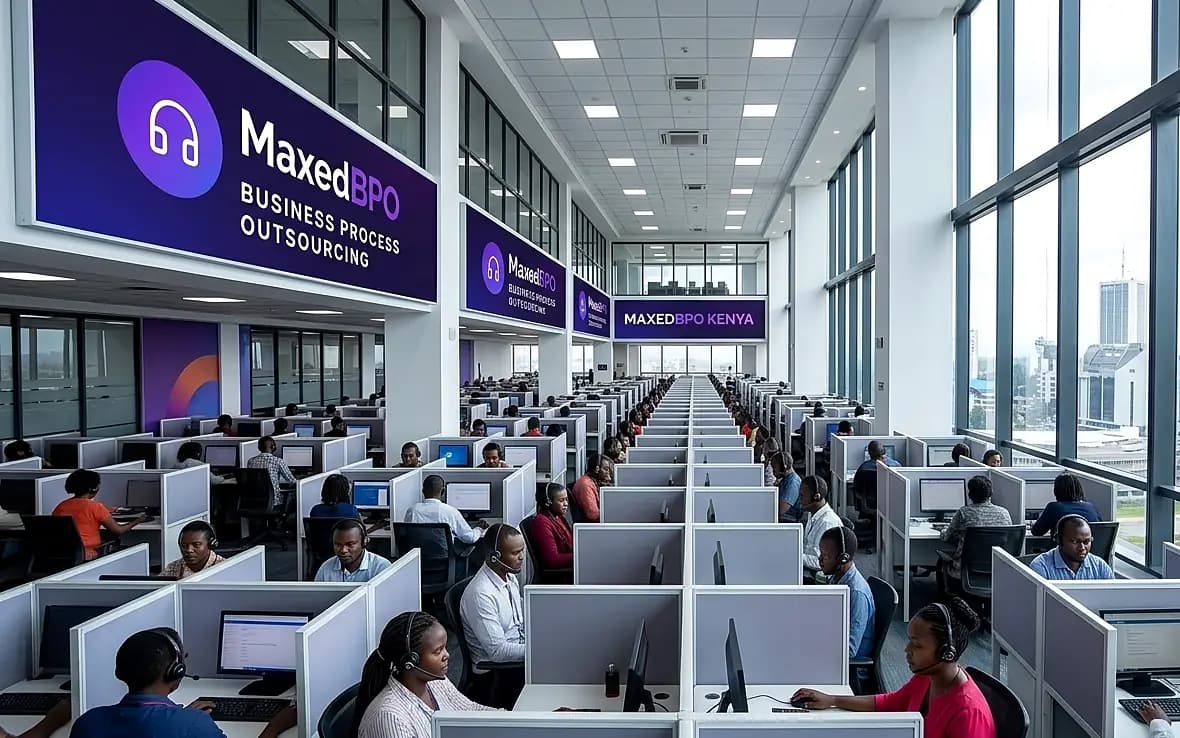
| No personal devices | Phones and personal laptops kept off the production floor |
| Logged sessions | Every remote session and access is recorded |
| Encrypted connections | VPN or single sign-on to your systems |
| Restricted floors | Extra controls for financial or health data |
| Resilient infrastructure | Redundant internet, backup power and generators |
Payments and sensitive data
Agents should never need to see full card numbers. Use secure payment links or pause-and-resume call recording so card data never reaches the agent. For health and financial data, look for restricted floors, audit logging and staff trained specifically on handling that data.
People and training
Most data incidents involve people, not technology. Check that every team member signs confidentiality terms, is trained on data protection before handling live data, and refreshes that training regularly.
Audits and evidence
Ask how the partner proves compliance: access reviews, audit-ready records and willingness to support your own audits. A quality and compliance function that sits outside operations adds an independent check.
Frequently asked questions
Will you sign our data processing agreement?
Yes. Maxed BPO signs DPAs with every client and works to GDPR, UK GDPR and the Kenya Data Protection Act.
Can our data stay in our own systems?
Yes. That is our standard approach: the team works inside your tools with logged, role-based access.
Talk to us about your security requirements before you share any data.
Topics
- data protection
- GDPR
- security
- compliance
Maxed BPO team
Outsourcing specialists in Nairobi
Written by the people who recruit, train and run outsourced teams at Maxed BPO every day.